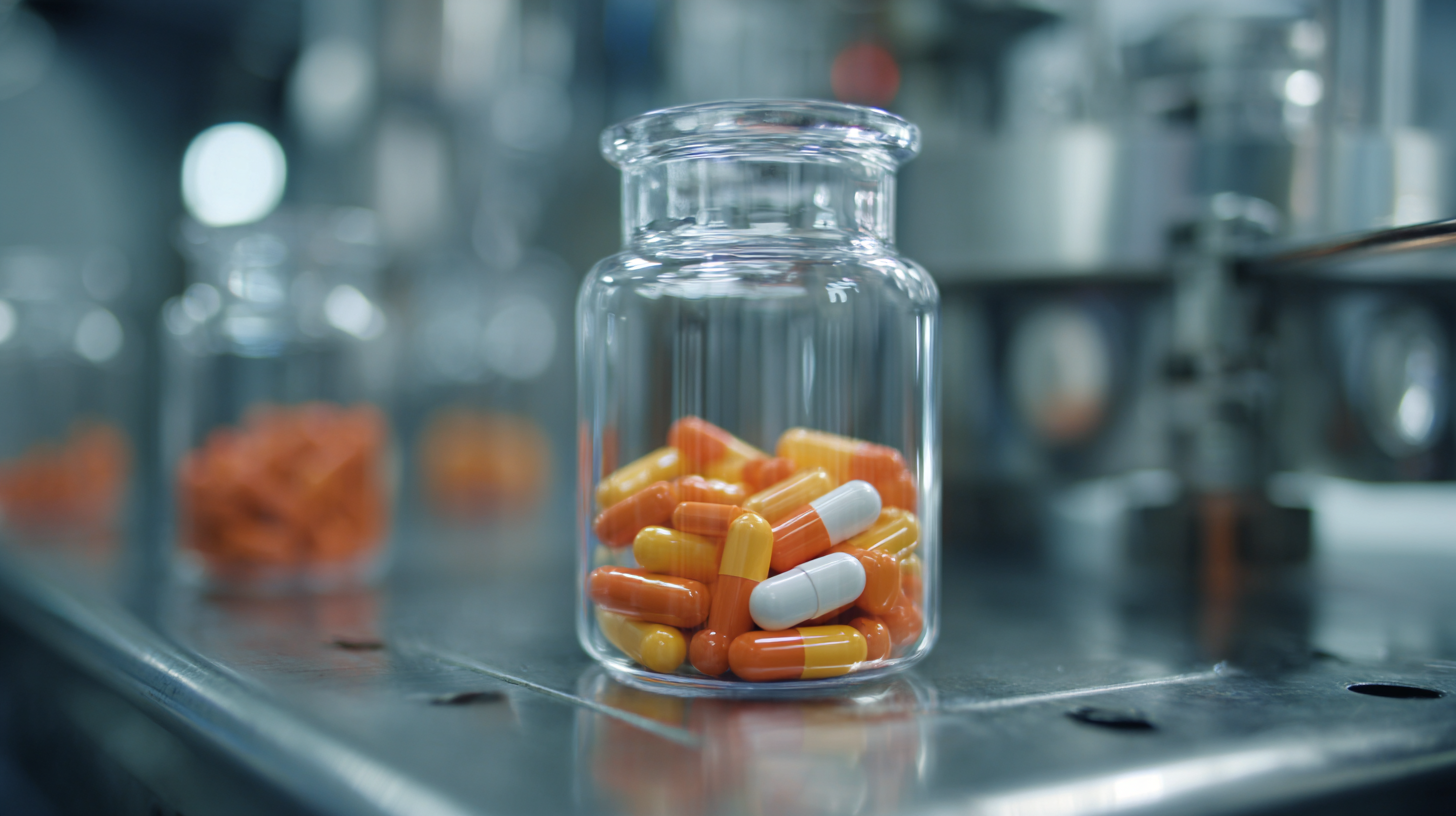
The future of pharmaceutical ingredients is looking pretty exciting, honestly. We're on the brink of some major changes, thanks to new drug development methods and tighter quality control measures. With the global market expected to grow around 7.5% each year through 2026, the need for high-purity inputs in medicine is really ramping up. Companies like Xi'an Kintai Biotech Inc are leading the way, setting pretty high standards by putting a lot of effort into comprehensive quality checks. They’re super thorough — from the planting stage all the way to the final product, making sure every raw material meets strict standards. This kind of dedication doesn’t just boost how effective the medicines are; it’s also about making sure they’re safe, which is a huge deal these days in healthcare. As the pharma world keeps evolving, focusing on top-quality ingredients will be key for creating innovative treatments and helping patients get better results.

Impact of Digital Technologies on Pharm Ingredients in Drug Development
You know, the way digital tech is shaking up the world of pharmaceutical ingredients is pretty remarkable. By around 2033, we're looking at the herbal medicine market booming — going from about $42 billion in 2025 up to nearly $61 billion, growing at roughly 4.8% each year. And a big reason for this? Advances in AI and big data, which are making drug development faster and more efficient. These tools help us streamline the whole drug formulation process, make active ingredients more effective, and even predict how well a medicine might work before it hits the market. It’s like having a crystal ball that guides research and helps us tailor treatments more personally for each patient.
Take digital platforms for respiratory therapies, for example — they’re a perfect illustration of how tech is becoming a real game-changer in pharma research. Collaboration between companies is more important than ever, especially for sharing data and improving how medicines are delivered. This teamwork makes it possible for new treatments to reach people quicker than before. As the pharma industry dives deeper into digital transformation, especially with AI playing a bigger role, I genuinely believe we’ll see some big breakthroughs in how drugs are made. All of this means better health outcomes for patients all around the world, which is pretty inspiring, really.
Key Trends Shaping the Future of Active Pharmaceutical Ingredients
You know, the pharma industry is really going through a major shift right now, especially when it comes to developing new drugs and really focusing on active pharmaceutical ingredients, or APIs for short. I was reading this recent report from Research and Markets, and it says the global API market is expected to grow at a solid 6.5% CAGR from 2021 to 2026. That’s a clear sign that there’s a rising demand for high-quality meds that are tailored to what patients actually need. Some of the biggest trends shaping this space include a big push toward sustainability, exciting breakthroughs in biotech, and a growing move toward personalized medicine. All of these really highlight how crucial it is to source top-notch ingredients that meet strict safety and effectiveness standards.

Here at Xi'an Kintai Biotech Inc., we totally get that solid raw materials are the backbone of innovative drug development. We’re big on quality control — from the moment we plant ingredients to when they’re turned into finished products, we keep a close eye on everything. That’s how we make sure our APIs are safe and also help make the final medicines more effective. As things shift toward more personalized and effective treatments, doubling down on quality and sustainable sourcing isn’t just a good idea; it’s essential for any company wanting to stay ahead in this evolving market.
A quick tip if you’re looking for API suppliers: go for those who have strong quality assurance processes and a proven track record of meeting international standards. Also, don’t forget to check if they’re committed to sustainability — it’s becoming a big deal for both regulators and consumers these days. And last but not least, staying updated on the latest in biotech can give you some pretty cool insights into new, innovative ways to develop drugs.
Innovative Formulation Techniques Leveraging Digital Transformation
Hey, have you heard? The pharmaceutical industry is really on the verge of a major shake-up. Thanks to some pretty cool new formulation techniques and the whole digital transformation thing, things are changing fast. According to a recent report by Grand View Research, the global market for pharmaceutical ingredients is projected to hit about $315.76 billion by 2027, growing at roughly 6.9% CAGR. A big part of this boost comes from advances in digital tech—things like machine learning and data analytics—which are making it easier for researchers to fine-tune drug formulations. They're now able to find better ingredient combinations, improve how well drugs get absorbed, and even cut down production costs. Pretty impressive, right?
If you're looking to succeed in this digital age, experts suggest adopting cloud platforms for smoother collaboration and using AI for predictive insights. Incorporating smart manufacturing tech can really help speed things up and boost quality. Plus, as McKinsey points out, putting patients and end-users at the heart of the process can lead to drugs that people actually stick with and like. Getting feedback early on can make a huge difference.
All these new methods not only help companies stay ahead in the game but also promote more sustainable ways to develop medicines. By embracing digital and innovative approaches, pharma firms can offer better treatments while also being kinder to the environment. It’s an exciting time for the industry, for sure!
Exploring the Future of Pharm Ingredients in Innovative Drug Development
| Ingredient Type | Functionality | Innovation Technique | Application Area | Future Trends |
| Active Pharmaceutical Ingredients (APIs) | Therapeutic Effect | Microencapsulation | Oral Delivery | Personalized Medicine |
| Excipient Materials | Stability and Bioavailability | 3D Printing | Customized Drug Forms | Nanotechnology |
| Biologics | Targeted Therapy | Continuous Manufacturing | Injectable Solutions | Cell and Gene Therapy |
| Nanoparticles | Enhanced Delivery | Targeted Drug Delivery Systems | Cancer Treatment | Smart Therapeutics |
| Vaccine Components | Immunogenicity | Adjuvant Development | Preventative Medicine | mRNA Technology |
Best Practices for Integrating AI in Ingredient Development Processes
You know, in today's world of developing new drugs, using artificial intelligence (AI) in ingredient creation isn't just a nice-to-have—it's pretty much essential if you want to work smarter and faster. Lately, a lot of companies are turning to these AI middle platforms — think of them as the backbone that supports smarter business solutions. They make it easier for pharma teams to analyze data, automate routine tasks, and speed up the whole R&D process.
When you're bringing AI into ingredient development, it’s really important to follow some good best practices to get the most out of it. One thing that helps a lot is fostering collaboration across different teams. Sharing knowledge and insights from various departments not only sparks innovation but also helps solve problems faster. Also, don’t forget about data governance — making sure the info you're feeding into the AI is accurate and truly reflects real-world situations is key.
A couple of tips for pulling this off smoothly: invest in training your team, so everyone’s comfortable using these AI tools. It’s also smart to build scalability into your systems—things should grow as your business needs evolve. And lastly, keep testing and refining your AI systems regularly. That way, your company can stay agile and respond quickly to market changes and new challenges.
Regulatory Challenges and Solutions in Modern Pharm Ingredient Development
Developing pharmaceutical ingredients is a really exciting part of discovering new drugs, but let’s be honest — it’s not without its hurdles. Regulations nowadays can be pretty complicated, and they’re often different depending on where you are. Trying to meet all the strict safety, effectiveness, and quality standards can slow things down quite a bit. Companies are stuck trying to juggle these rules while still rushing to get new meds to patients quickly, which can sometimes lead to delays or higher costs. That stuff can really affect whether people can access the medicines they need.
To fight this, folks in the industry are calling for more streamlined regulations — things that keep safety intact but are a bit more flexible. Innovations like adaptive trial designs and risk-based regulation approaches could really help speed things up and make ingredient development more efficient. It’s all about better collaboration between regulatory agencies and the pharma companies, so we can spot and tackle potential roadblocks early on. When regulators and developers work together and adapt to modern science, the future of pharmaceutical ingredient development looks brighter — faster, smarter, and more patient-centered.
Exploring the Future of Pharm Ingredients in Innovative Drug Development
Navigating Supply Chain Innovations for Safer Pharmaceutical Ingredients
The pharmaceutical world is really going through some big changes right now, especially when it comes to how they manage their supply chains. Lots of focus is being put on making sure that the ingredients used in medications are safe and of top quality. I recently read a report from the International Society for Pharmaceutical Engineering that said around 80% of drug recalls happen because of issues with raw materials—that's pretty concerning. It just shows how important it is for companies to get better at tracking their supply chains, making sure everyone is held accountable from ingredient sourcing all the way to the finished product. More and more, businesses are turning to cool tech like blockchain to make things more transparent, so all stakeholders can follow the journey of ingredients step by step.
Plus, according to Grand View Research, the global market for pharmaceutical ingredients is expected to hit about $200 billion by 2026. There’s a noticeable shift toward greener, more sustainable ways of making these ingredients, which isn’t just good for the environment but also helps meet tighter regulations demanding safer, higher-quality medicines. Companies exploring continuous manufacturing methods are also doing their part to cut down on contamination risks, which means the meds we get should become more reliable. All in all, as the industry keeps evolving, it’s super important for everyone involved to focus on keeping the ingredient supply chain solid and trustworthy—that’s the way to ensure quality and safety in the long run.
FAQS
: The main regulatory challenges include complex and varied regulations across regions, stringent safety and efficacy standards, and quality control measures that can create bottlenecks in the development process.
Regulatory challenges can lead to delays in bringing new drugs to market, increase development costs, and ultimately impact patient access to essential medications.
Proposed solutions include advocating for more streamlined regulatory frameworks, utilizing adaptive trial designs, and implementing risk-based approaches to facilitate faster approvals.
Collaborative efforts between regulatory agencies and the pharmaceutical industry are essential for identifying potential barriers early and creating solutions that support both compliance and innovation in drug development.
The pharmaceutical supply chain is focusing on improving safety and quality of ingredients, enhancing traceability and accountability, and adopting advanced technologies like blockchain for transparency.
A significant percentage of drug recalls, specifically 80%, are related to quality issues stemming from raw materials, highlighting the need for better supply chain management.
The global pharmaceutical ingredient market is projected to reach $200 billion by 2026, with an increasing shift towards greener and more sustainable production practices.
Innovations such as continuous manufacturing processes and advanced technologies like blockchain are being adopted to minimize contamination risks and enhance supply chain transparency.
Prioritizing the integrity of pharmaceutical ingredients is crucial to ensure the safety, quality, and efficacy of pharmaceuticals, which ultimately impacts patient health and safety.
Aligning regulatory practices with modern scientific advancements can streamline the development process, making it more efficient and patient-focused, while still ensuring safety and efficacy standards are met.
Conclusion
So, I came across this article called "Exploring the Future of Pharm Ingredients in Innovative Drug Development," and honestly, it's pretty fascinating. It dives into how the world of pharmaceutical ingredients is changing fast, especially with digital tech really shaking things up. The piece points out some key trends shaping the future of active pharmaceutical ingredients—those are the APIs—and shares cool new formulation techniques that are made possible thanks to digital transformation. Oh, and it gets pretty interesting when it talks about artificial intelligence being integrated into the process — showing how companies can boost efficiency and get more accurate results.
But it doesn’t stop there. The article also tackles the tricky regulatory hurdles that modern pharma ingredient development faces today — and offers some insights into ways we might get around them. Plus, it explores the latest innovations in supply chain management, all aimed at keeping pharma ingredients safe and high-quality. Companies like Xi'an Kintai Biotech Inc. are highlighted as great examples—they really emphasize how important strict quality control is, from the moment raw materials are sourced right up to finished products. It’s a solid reminder of just how much effort goes into making sure the ingredients in your meds are safe and reliable.