You know, as more and more industries are really focusing on health and wellnessthese days, we’re seeing a huge jump in demand for top-notch Herbal Extracts—especiallyRosemary Extract. It's pretty wild, but reports are saying that the global market for herbal extracts could hit a whopping $80 billion by 2025. That’s mainly because they’re being used in everything from food and cosmetics to pharmaceuticals. In such a crowded market, finding the right sourcing strategies and picking reliable manufacturers is crucial for businesses that want to keep their products safe and up to standards.
Take Xi'an Jintai Biotechnology Co., Ltd., for example—they're really leading the pack with a strong quality control system that covers everything from planting to the final testing of the product. They make sure their Rosemary Extract not only hits all the industry benchmarks but actually goes above and beyond.
In this blog, I’ll walk you through the upcoming market trends for 2025 and share some smart sourcing strategies to help you find those trustworthy manufacturers for quality Rosemary Extract.
Understanding the Growing Demand for Rosemary Extract in 2025 Market
The buzz around rosemary extract is really picking up in 2025, and you can totally see why. It's popping up everywhere—from cosmetics to food preservation and even health supplements! As folks become more health-savvy, they’re starting to see the perks of rosemary extract, especially its Antioxidant benefits and its potential to help with hair growth. It’s especially trending in personal care these days, and no wonder—dermatologists are often suggesting rosemary oil to get those hair follicles going and tackle scalp problems. This all fits into that larger picture of what people want these days: natural and effective ingredients in products they use every day.
At Xi'an Jintai Biotechnology Co., Ltd., we’re all over these market shifts and the growing love for high-quality rosemary extract. We take quality control really seriously, right from the planting stage, so we can promise that our raw materials are both safe and effective. We've realized that having smart sourcing strategies and strict quality checks is key to keeping up with what our clients need in this fast-paced market. By emphasizing sustainable practices and top-notch products, we’re aiming to be the go-to supplier for rosemary extract, especially as demand ramps up in 2025!
Key Market Trends Influencing Rosemary Extract Sourcing Decisions
You know, the whole rosemary extract market is really changing, and there are some super interesting trends that are influencing how businesses make their sourcing decisions. With more and more people wanting herbal extracts, there's a big push for sustainability and ethical sourcing. It's like, consumers are now on the lookout for brands that actually care about where their stuff comes from. This has got companies thinking twice about their supply chains. Being transparent isn’t just some buzzword; it really helps boost a brand's reputation and builds trust with those eco-conscious shoppers.
And get this—market forecasts suggest that growth in related areas is looking pretty spectacular! The global botanical extracts market is projected to jump from about $6.79 billion in 2024 to a whopping $12.39 billion by 2032. That’s a huge leap and shows just how much people are getting into plant-based ingredients. But, with all this growth, there are definitely some hurdles for companies aiming to get quality rosemary extract. They need to stay flexible and be ready to adapt to changes in the market and what consumers want. Plus, it’s key for them to connect with solid suppliers who are committed to sustainability if they want to navigate this competitive landscape effectively.
2025 Rosemary Extract Market Trends
This chart illustrates the key market trends influencing sourcing decisions for rosemary extract in 2025. The predominant factors are organic sourcing and sustainability practices, each significantly shaping market dynamics.
Evaluating Alternative Sources of Rosemary Extract for Diverse Applications
You know, with everyone getting more into natural ingredients these days, it’s super important to dig into alternative sources for rosemary extract. A lot of the time, the same old suppliers are all over the market, but if we think outside the box a bit, we can find some really cool options. For example, those small local farms out there may have some unique varieties of rosemary that not only jazz up the flavor but also pack a punch in terms of health benefits. Plus, working directly with these farmers means we’re supporting the community and keeping things sustainable—win-win, right?
And let’s not forget that extraction technology is really stepping up its game! Techniques like supercritical CO2 extraction and cold pressing are making it possible for new players to join the game. These methods can actually boost the quality and potency of rosemary extract, which is exactly what manufacturers are after when they want effectiveness. By broadening our sourcing options, companies can save some cash and be more resilient when the market decides to throw a curveball our way. Oh, and adhering to eco-friendly practices while being transparent about sourcing is more important than ever to earn the trust of consumers who are really tuning into where their products come from.
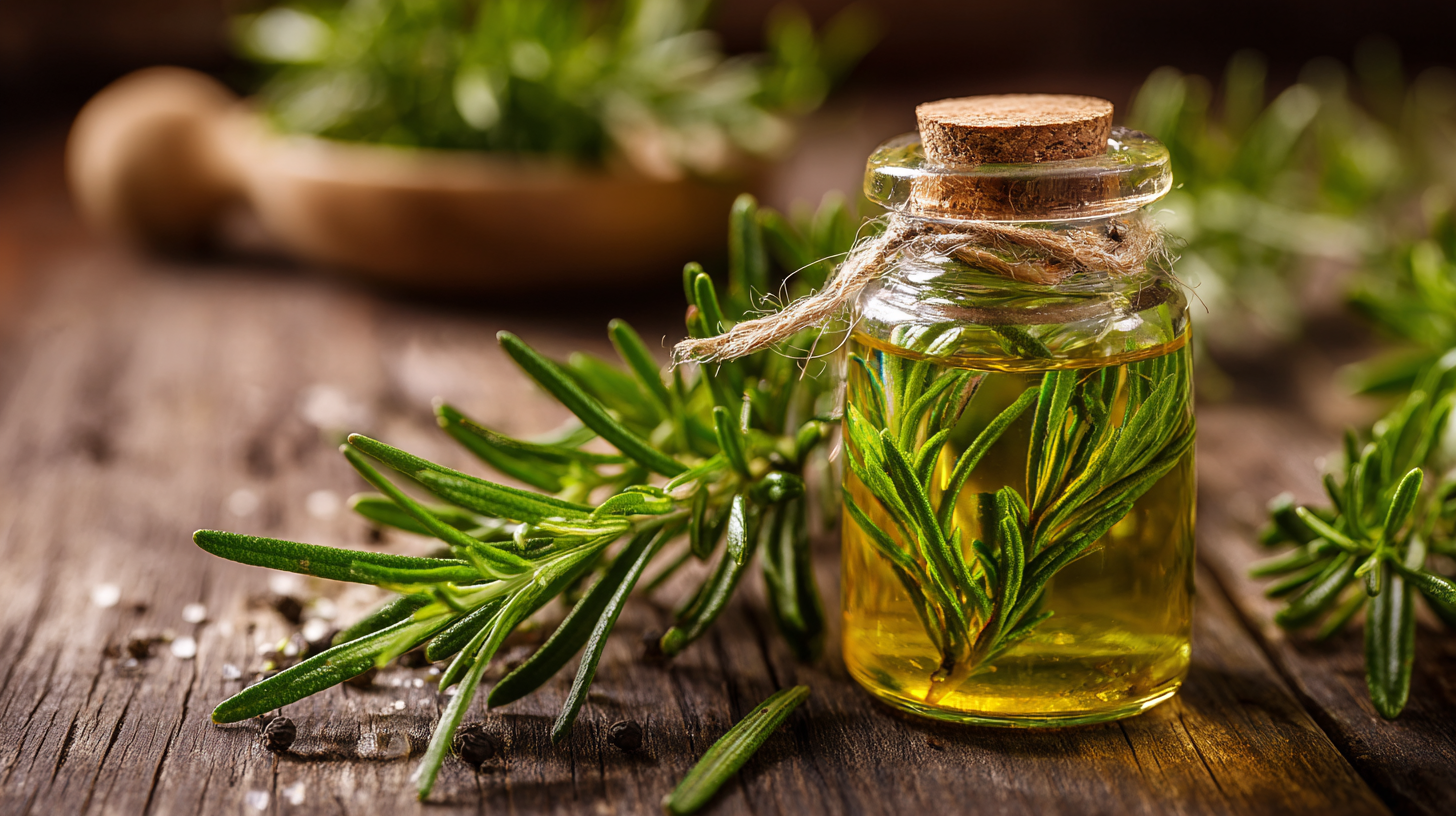
Impact of Sustainable Practices on Rosemary Extract Supply Chains
You know, as people are becoming more conscious about what goes into their products, the whole sustainable sourcing thing for rosemary extract has really become a big deal. A recent report from the Global Natural Products Industry Association reveals that the market for plant-based extracts, rosemary included, is expected to grow by about 9.5% every year until 2025. This just goes to show how important it is for suppliers to step up their game and embrace eco-friendly practices to keep up with what consumers want and what regulations are coming down the pike.
When companies switch to sustainable sourcing strategies, they’re not just improving the quality and authenticity of rosemary extract; they’re also making their entire supply chain a lot more resilient. There’s this study in the Journal of Supply Chain Management, and it pointed out that businesses that adopt sustainable practices can actually cut supply chain disruptions by about 20%. That’s really important, especially in the herbal extract market, which can be pretty unpredictable due to all sorts of factors like crazy weather and farming issues. So, by putting sustainability first, companies can build better relationships with growers and support biodiversity, making sure that they have a steady supply of high-quality rosemary extract.
Innovative Extraction Methods: Enhancing Quality and Cost-Effectiveness
You know, as demand for rosemary extract keeps climbing, it's really important to find new ways to extract it that not only improve the quality but also keep costs in check. I mean, let’s be honest—traditional extraction methods can be quite a hassle and pretty pricey, which can put a damper on scaling up production. But luckily, we're seeing some exciting new techniques popping up, like supercritical CO2 extraction and ultrasonic extraction, that are really shaking things up.
Take supercritical CO2 extraction, for example. It not only gives you more of those essential compounds, but it also leaves behind no nasty solvents, so it’s a cleaner choice for everyone involved.
And get this—using these advanced technologies can really cut down on operational costs too. With ultrasonic extraction, they harness sound waves to make the whole process way more efficient. This means less energy consumption and faster processing times, which is a win-win! These innovative methods boost the purity and potency of rosemary extract, allowing suppliers to stay ahead of the game in a market that’s all about sustainability and quality. As companies gear up for 2025, jumping on these extraction innovations is going to be key for sourcing strategies that really resonate with changing consumer tastes and regulatory standards.
Regulatory Considerations for Sourcing Rosemary Extract in 2025
Hey there! If you're looking to source rosemary extract in 2025, it's super important to stay on top of the latest regulatory changes that can affect quality and availability. With more folks jumping on the natural preservatives bandwagon, you can bet that regulatory agencies are going to tighten up their guidelines on sourcing practices. So, it’s really important to make sure your suppliers are on the ball when it comes to following local and international rules about food safety and quality standards.
One good tip is to build strong relationships with your suppliers right from the get-go. Staying in the loop about any new laws and regulations is key, too. Connecting with industry associations can be a goldmine for insights on best practices and what’s coming down the pipeline. Plus, being transparent about your supply chain can help you build trust and make it easier to adapt if any changes pop up.
And don’t forget to regularly audit your supply chain to ensure everyone is sticking to quality standards. It’s smart to look for suppliers who can back up their claims with organic certifications and show they’re sourcing sustainably. By being proactive in these areas, you can reduce risks and really boost your product lineup in this competitive market.
Harnessing the Power of Usnea Diffracta: Benefits of Usnea Acid Powder for Health and Wellness
Harnessing the Power of Usnea Diffracta: Benefits of Usnea Acid Powder for Health and Wellness
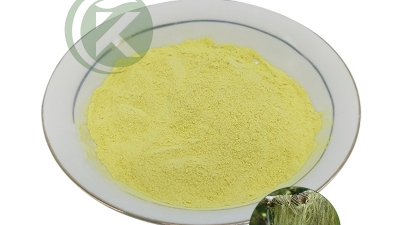
Usnea diffracta, a remarkable lichen, has gained attention for its unique compound, usnea acid, which is celebrated for its medicinal properties. The extraction of usnea acid powder, standardized to 98%, is a potent way to incorporate these benefits into your health regimen. This yellow powder, derived from Usnea diffracta and Usnea longissima, offers a range of advantages, making it a prized ingredient in both the cosmetic and pharmaceutical industries.
Rich in natural compounds, Usnea acid is recognized for its anti-inflammatory and antimicrobial effects. These properties make usnea acid powder an ideal choice for enhancing skin health when included in cosmetic formulations. With certifications like GMP, ISO9001, and Halal, the Usnea diffracta Vain Extract is not only effective but also safe and reliable. Its non-GMO, non-additive nature ensures that users receive the purest form of this herbal extract, making it a valuable addition to wellness products and supplements.
As health-conscious consumers seek natural alternatives, the demand for usnea acid powder continues to rise. Whether you are a manufacturer looking to incorporate this powerful extract into your products or a consumer interested in its health benefits, Usnea diffracta Vain Extract provides an exceptional option. Available in bulk at wholesale prices, it invites a new wave of health enthusiasts to explore the multifaceted advantages of usnea acid for overall wellness.
FAQS
: Key trends include the growing demand for sustainability and ethical sourcing, as consumers prefer brands with responsible sourcing practices. This influences companies to revise their supply chain strategies.
The global botanical extracts market is expected to expand from USD 6.79 billion in 2024 to USD 12.39 billion by 2032, indicating a strong interest in plant-based ingredients.
Transparency enhances brand reputation and builds trust with environmentally-conscious consumers, which is essential for maintaining competitiveness in the market.
Innovative methods such as supercritical CO2 extraction and ultrasonic extraction are being utilized to improve quality and cost-effectiveness in rosemary extract production.
Supercritical CO2 extraction provides a higher yield of essential compounds and ensures that the extract is free from toxic solvents, offering a cleaner option for end-users.
Ultrasonic extraction uses sound waves to enhance extraction efficiency, reducing energy consumption and processing time, thereby lowering operational costs.
Companies need to adapt to changing market dynamics and consumer preferences while ensuring their sourcing strategies align with the latest trends.
Working with reputable suppliers who prioritize sustainable practices is crucial for navigating the competitive rosemary extract market effectively.
The adoption of new extraction technologies enhances the purity and potency of rosemary extract, helping suppliers stay competitive in a market focused on sustainability and quality.
Businesses need to align their sourcing strategies with evolving consumer preferences and regulatory demands that emphasize sustainability and ethical practices.